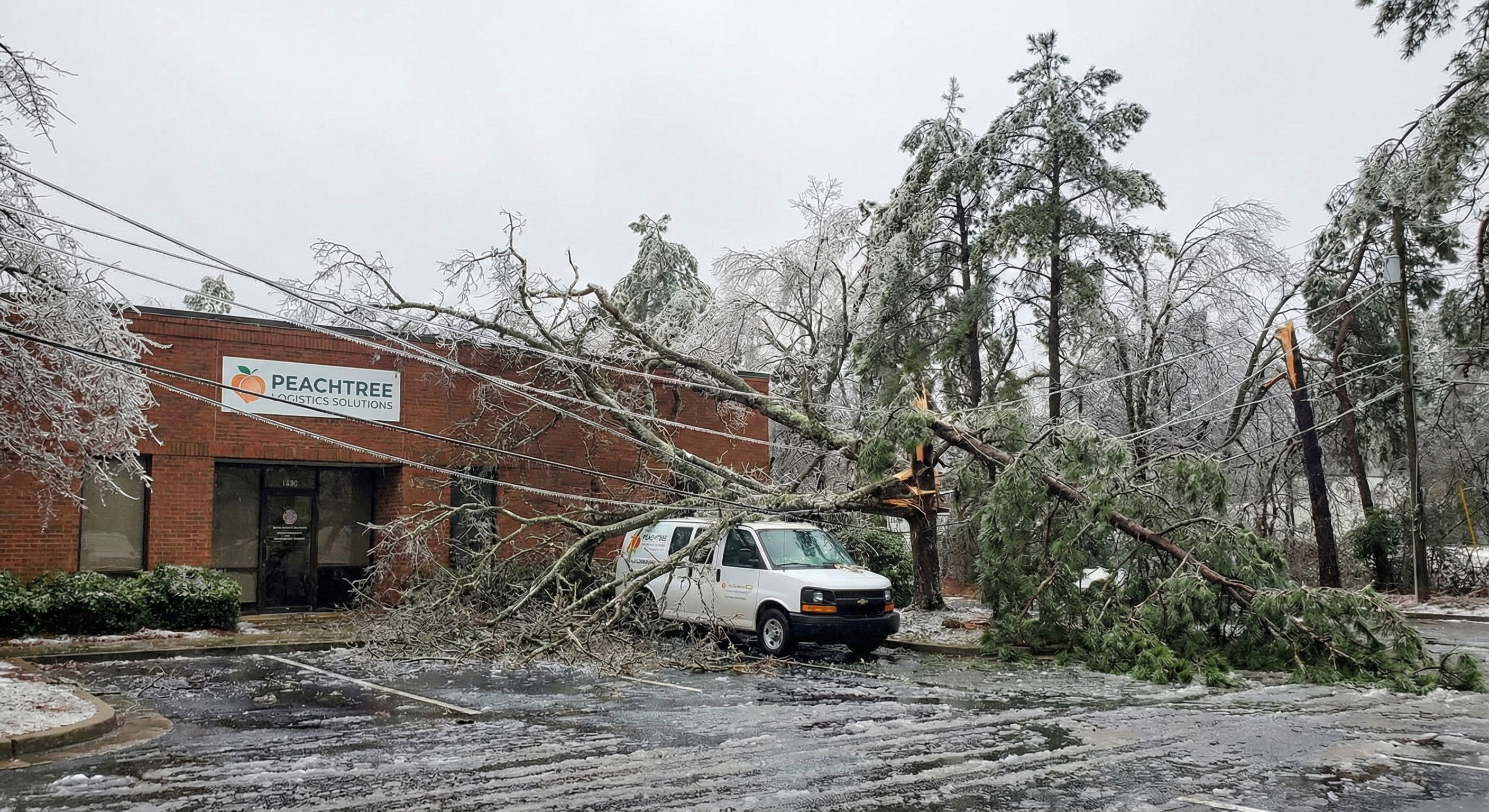
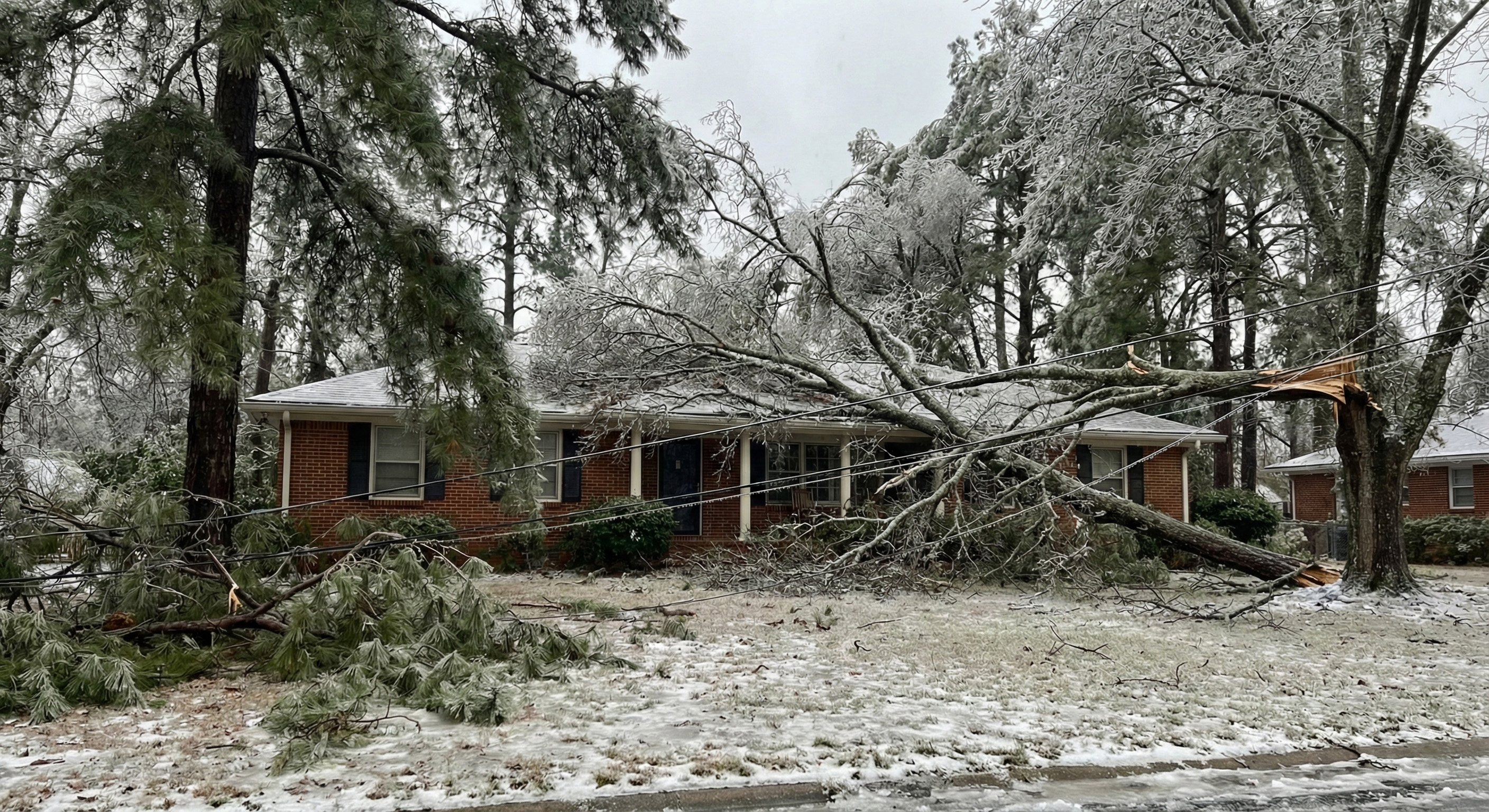
As a landlord or property manager, your portfolio is more than just buildings; it is a complex ecosystem of structures, landscapes, and most importantly, people. Within that ecosystem, trees are valuable assets, offering shade, beauty, and environmental benefits. However, a single compromised tree can quickly transform from an asset into a massive liability.
Ignoring potential tree hazards is not just fiscally irresponsible—it exposes you to significant legal and financial risk. A crucial component of responsible property stewardship is implementing a proactive maintenance strategy that addresses these hidden dangers. This is where professional tree risk assessment (TRA) becomes your non-negotiable tool. It is the systematic process that turns uncertainty into informed action.
This guide, written from an expert SEO content perspective, details exactly why a comprehensive TRA is the definitive defense against tree failure liability.
What is a Professional Tree Risk Assessment and Why is it Necessary for Landlords?
A professional Tree Risk Assessment (TRA) is far more than a casual walk-through of a property. It is a systematic process used by certified arborists to determine the potential for tree failure and the severity of its consequences. This service is essential for landlords and property managers because it establishes a verifiable standard of care.
What defines a professional TRA?
It is a multi-step evaluation defined by industry standards, typically following guidelines set by the International Society of Arboriculture (ISA). The assessment focuses on identifying and evaluating three critical factors that combine to create risk:
- The Target: What property or person would be struck if the tree failed?
- The Likelihood of Failure: How likely is the tree or a part of the tree to fall within a specified period?
- The Consequence of Failure: If the tree falls, how severe would the resulting injury or damage be?
Why is this standard necessary for commercial properties?
Landlords and property managers have an established legal "duty of care" to maintain their premises in a reasonably safe condition. This duty extends to the landscape, including all trees. If a hazardous tree falls and injures a tenant or destroys a vehicle, your defense in a subsequent lawsuit hinges on whether you fulfilled that duty of care.
- Mitigating Negligence: If a property manager fails to inspect trees and a preventable failure occurs, they can be found negligent. A documented TRA serves as evidence that due diligence was performed.
- Proactive Defense: The assessment is a proactive defense mechanism. It allows you to address low-hanging deadwood or structural decay before a major storm exacerbates the hazard into a disaster.
- Clarity and Documentation: The TRA provides a formal report. This report is a crucial legal document that proves you were aware of the tree's condition and took steps to manage the identified risks.
The need for a professional TRA is not just about tree health; it is a fundamental part of effective liability management.
How Does Tree Failure Create Significant Liability for Property Managers and Landlords?
The primary risk associated with hazardous trees is legal liability, often stemming from the principle of negligence. Understanding the legal framework is crucial for any property management professional.
What is the landlord’s standard of care regarding trees?
In most jurisdictions, a property owner is expected to exercise "reasonable care" in inspecting and maintaining their property. This means addressing conditions they know about, or those they should have known about through regular inspection. Trees, as living structures, are not static; they degrade, and their condition changes over time.
- Failure to Inspect: If you do not have a TRA, you have no formal record of inspection. A lawyer could easily argue that your failure to hire an expert constitutes negligence, as a professional would have identified the hazard.
- Failure to Act: Even if a hazard is identified, failure to execute the recommended mitigation (pruning or removal) is a direct breach of the duty of care and almost guarantees liability if an accident occurs.
When does liability transfer from an "Act of God" to negligence?
Tree failures often occur during storms, which some might mistakenly classify as an "Act of God," absolving them of responsibility. However, courts distinguish between an unpreventable failure and a foreseeable failure.
- Foreseeable Failure: If a tree had obvious, pre-existing defects—such as massive internal decay, a severe lean, or visible root rot—that would have been identified by a certified arborist, the storm is merely the trigger, not the cause. The negligence lies in not having mitigated the known hazard.
- Unforeseeable Failure: True Acts of God involve healthy, structurally sound trees failing under catastrophic, record-breaking weather conditions that could not have been reasonably anticipated or protected against. These cases are rare.
Does liability extend beyond tenants?
Yes, your duty of care extends to all anticipated visitors and even adjacent properties. The term "targets" in a TRA includes all potential victims:
- Tenants and Visitors: Injuries to people on your property (e.g., someone walking on a sidewalk).
- Vehicles and Structures: Damage to cars in a parking lot, or to the roof of an apartment building.
- Neighboring Property: Damage caused by a tree falling across a boundary line onto a neighbor's home or fence.
Investing in a TRA is not an expense; it is a critical, tax-deductible premium on your liability insurance.
What are the Key Components a Certified Arborist Evaluates During a TRA?
A high-quality Tree Risk Assessment performed by Georgia Pro Tree Services follows a structured methodology to ensure no critical element is overlooked. This systematic approach differentiates a casual check from a defensible, professional report.
What is a Level 2 assessment?
Most standard TRAs for property managers are Level 2 Basic Assessments. This involves a 360-degree visual inspection of the tree from the ground up to the canopy, including the root collar area. The arborist documents specific observations and measurements, often using diagnostic tools like probes, sounding devices, and binoculars.
What specific elements are scrutinized in the field?
The certified arborist divides the tree into distinct sections, systematically looking for evidence of failure potential:
- Trunk and Main Stems: Inspection for large cankers (sunken diseased areas), deep cracks or splits, evidence of past wounds, and large fruiting bodies (mushrooms or conks) which indicate internal wood decay.
- Root Collar and Base: Evaluation for root girdling (roots wrapped around the trunk), soil grade changes, decay pockets at the base, and signs of recent heaving or cracking of the soil, which suggests root instability.
- Canopy and Branches: Assessment of branch attachments, particularly codominant stems (two competing main leaders) with included bark, which are prone to splitting. The arborist looks for significant amounts of deadwood, broken branches ("hangers"), and signs of dieback.
- Pest and Disease Indicators: Identification of active infestations (borers, scales) or chronic diseases (e.g., fungal infections, decay) that compromise the tree's vascular and structural systems.
How is the final risk rating calculated?
The final output is not just a list of problems; it is a formal risk rating, which is a quantified expression of hazard severity. The arborist uses the three key factors—Target, Likelihood, and Consequence—to arrive at a final rating (e.g., High, Moderate, Low, or Negligible).
- Likelihood of Failure: Rated from Improbable to Imminent.
- Likelihood of Impacting Target: Rated from Very Low to Very High.
- Consequences: Rated from Negligible to Severe.
These ratings are combined to provide a comprehensive Risk Rating, guiding the property manager on which trees require Immediate Attention (High Risk) versus those that need Monitoring (Low Risk).
When is the Optimal Time for a Property Management Company to Schedule a Tree Risk Assessment?
Regularity is the key to minimizing risk. A single assessment is only valid for the conditions observed on that day. Tree health is dynamic, especially in the Georgia climate, which experiences intense heat, wind, and severe weather events.
What is the standard frequency for routine assessment?
Georgia Pro Tree Services generally recommends a Level 2 TRA at least once every one to three years for properties with high-value targets (structures, parking lots, high-traffic pedestrian areas). For large apartment complexes or commercial parks with expansive tree populations, setting up a defined cycle ensures all trees are managed proactively.
Should assessments be scheduled seasonally?
While assessments can occur year-round, there are specific advantages to scheduling them during the early leaf-on or leaf-off periods:
- Leaf-On (Late Spring/Summer): Ideal for assessing foliage health, spotting pests, diagnosing diseases that manifest in the leaves, and evaluating the overall canopy density.
- Leaf-Off (Late Fall/Winter): Crucial for detailed structural assessment. Without leaves, the arborist can clearly see the branching structure, hidden cracks, weak attachments, and deadwood that may be obscured during the summer.
A smart property management plan includes assessments in both seasons on a rotating basis.
When do specific events trigger an immediate TRA?
Certain events should bypass the routine schedule and trigger an immediate call to your certified arborist:
- After Severe Weather: Any major windstorm, microburst, or ice event can inflict damage that is not immediately visible. Even a subtle root plate shift can precede a total failure weeks or months later.
- Site Development/Construction: Digging, grading, or trenching near a tree's critical root zone can cause irreversible damage and instability. An assessment is mandatory after any construction to evaluate the impact.
- Property Transaction: Before acquiring a new commercial property, a TRA should be part of the due diligence. You must know what liabilities you are inheriting.
By adhering to this schedule, you maintain a continuous record of risk management, which is paramount for protecting your assets.
What Common Tree Defects Signal Imminent Danger on Commercial Properties?
While a comprehensive assessment requires an expert, property managers should be aware of several telltale signs that immediately elevate a tree to a high-risk status. Recognizing these cues means you know when to call Georgia Pro Tree Services immediately.
What are the most dangerous defects visible from the ground?
Identifying high-risk defects requires training, but some warning signs are unmistakable and demand urgent attention:
- Fungal Conks/Fruiting Bodies: These are the visible mushrooms or shelf-like fungi growing on the trunk or near the base. They are the "fruit" of internal decay, meaning the wood-rotting fungus is actively consuming the tree’s structural wood. The internal damage is typically much greater than the external growth suggests.
- Deep Cracks or Splits: Vertical cracks in the trunk, especially those extending through a large percentage of the stem diameter, are critical structural defects. They indicate the tree is already failing under its own weight or wind load.
- Root Plate Heaving/Uplift: This is a late-stage warning. If you see cracks or fissures forming in the soil around the base of the tree, or if the soil appears slightly mounded or raised, it signifies that the anchoring roots have already begun to fail.
- Codominant Stems with Included Bark: When two main trunks grow up side-by-side without a clear joining "collar" of wood, the bark becomes trapped (included) between them. This creates a weak, unstable attachment point that is highly prone to catastrophic splitting in high winds or under the weight of ice.
Why is "deadwood" a serious liability concern?
Deadwood—branches that are dead but still attached to the tree—is a primary source of failure and liability. Property managers must prioritize its removal because:
- Unpredictable Failure: Unlike a healthy branch, deadwood has no structural integrity and can snap off unpredictably, even in light wind.
- Target Impact: Large dead limbs over parking areas, sidewalks, or building entrances are a direct and severe threat to people and property below.
- Indication of Decline: Excessive deadwood often signals the tree is suffering from root damage, disease, or overall decline, suggesting the entire structure may be compromised.
Never assume a piece of deadwood will fall "safely." Any branch that is dead and large enough to cause damage must be flagged for mitigation.
How Does Documented TRA Protect Property Value and Tenant Trust?
The benefits of a professional TRA extend far beyond the direct mitigation of liability and damage. They actively contribute to the stability and perceived quality of your investment.
How does TRA enhance property value?
Mature, healthy trees significantly increase property value and curb appeal. A TRA helps preserve this asset while eliminating the associated financial risks. When prospective buyers or underwriters review a commercial property, they assess both the physical structures and the hidden risks.
- Risk Disclosure: Having a current TRA report demonstrates responsible management and a proactive stance against environmental hazards. This can ease the due diligence process.
- Insurance Mitigation: While TRAs are not insurance, a documented history of risk mitigation can positively influence insurance underwriting. It shows you are actively working to reduce claims exposure, which may translate to lower premiums or better coverage options.
- Longevity Planning: The recommendations in the report often include long-term health treatments, ensuring the beautiful trees on your property live longer, continuing to provide aesthetic and environmental value.
In what ways does this service build tenant trust?
For residential landlords and multi-family property managers, tenant safety is paramount to retention and reputation. Tenants expect the property owner to maintain a safe environment.
- Visible Safety Measures: Posting information or notifying tenants about proactive tree maintenance (pruning, removal of hazardous trees) demonstrates a tangible commitment to their well-being.
- Reduced Incidents: A TRA drastically reduces the likelihood of a major incident (a falling tree/limb) that could injure a tenant or destroy their belongings, preventing costly legal battles and preserving goodwill.
- Maintaining Amenity: Healthy trees are an amenity. By ensuring their longevity and stability, you are protecting the attractive, shaded areas that make the property desirable to renters and commercial occupants.
A certified assessment protects your bottom line and acts as a powerful marketing tool demonstrating superior property stewardship.
How Can Georgia Pro Tree Services Help Landlords Manage Their Tree Risk?
Managing tree risk requires local expertise, professional credentials, and a full suite of mitigation capabilities—all of which Georgia Pro Tree Services provides.
What specific value does local expertise provide?
The unique climate and soil conditions in Georgia—including areas like Locust Grove, McDonough, and Stockbridge—pose specific challenges to local tree species. Our certified arborists have years of experience with:
- Native Species: Understanding the failure characteristics of local oaks, pines, and maples under regional weather stress.
- Regional Pests and Diseases: Identifying local threats like hypoxylon canker or specific wood-boring insects that thrive in the Georgia environment.
- Local Ordinances: Advising on permitting requirements for tree removal, ensuring your actions remain compliant with municipal codes.
What is the Georgia Pro Tree Services process for risk management?
We offer a turnkey solution for risk mitigation, ensuring a seamless transition from assessment to resolution:
- Comprehensive Inspection: Our certified arborists conduct the detailed Level 2 TRA, meticulously documenting defects, targets, and risk ratings.
- Detailed Reporting: You receive a professional, easy-to-understand report complete with photos, GPS locations, and quantified risk ratings for each tree. This report serves as your essential liability protection document.
- Actionable Recommendations: The report outlines clear mitigation strategies:
- Pruning: Specific instructions for removing dead, diseased, or hazardous branches.
- Cabling/Bracing: Recommendations for supporting structurally weak trees where removal is not yet necessary.
- Removal: Identification of trees that pose an imminent, unacceptable risk and must be removed safely.
- Professional Mitigation Services: Unlike consultants who only assess, we provide the certified and insured services required to execute the mitigation plan—from complex removals to health-boosting pruning.
By partnering with Georgia Pro Tree Services, you ensure that every tree hazard is identified, documented, and professionally addressed by local experts.
Conclusion
For landlords and property managers, the management of natural assets like trees is a critical part of financial and legal risk management. A comprehensive Tree Risk Assessment is the definitive step in fulfilling your duty of care, protecting your investment, and ensuring the safety of your tenants and visitors. Ignoring a tree is not saving money; it is betting your property's future against a foreseeable hazard.
Take the necessary, proactive step today to secure your property and peace of mind.
Don't wait for the next storm to expose your liability. Contact Georgia Pro Tree Services today to schedule your comprehensive Tree Risk Assessment and move toward a fully managed, hazard-free landscape.
Frequently Asked Questions (FAQ)
What is the difference between a tree appraisal and a tree risk assessment?
A tree appraisal is a valuation process used to determine the monetary worth of a tree, often for insurance claims, litigation, or eminent domain cases. It uses formulas to assign a financial value to a tree based on its species, size, condition, and location. Conversely, a Tree Risk Assessment (TRA) is a safety evaluation. It has nothing to do with financial value; its sole purpose is to identify the likelihood of tree failure, the severity of the consequences, and the necessary mitigation steps to reduce risk and protect human life and property. As a property manager, you need a TRA for safety and liability, not an appraisal.
If a hazardous tree is identified, does that mean it must be removed?
No, removal is only one of several possible mitigation strategies, and it is usually the last resort for a certified arborist. The TRA report will always suggest the least-intensive, most effective method to reduce the risk to an acceptable level. Recommendations often include: 1) Pruning, specifically to remove deadwood or reduce the tree's overall weight and sail area; 2) Cabling or Bracing to provide supplemental support for weak joints or split trunks; or 3) Monitoring for low-risk trees, which are scheduled for re-inspection at a later date. Removal is only recommended when the tree is structurally unsound and poses an imminent, high-level threat that cannot be managed by other means.
How does the TRA process handle trees located near utilities or adjacent properties?
During the assessment, our certified arborists give special attention to "targets" that involve shared spaces or utility lines, as these raise the consequence level of failure. If a tree is overhanging a neighbor's property, the arborist will assess its potential failure path and include this information in the report, providing you with documented evidence regarding shared risk management. If the tree is near utility lines, the recommendations will be formulated in compliance with utility clearance regulations. We ensure that any necessary mitigation (pruning or removal) addresses the elevated risk and follows proper procedure to avoid accidental damage to neighboring assets or infrastructure.
Are tree risk assessments required by law for commercial properties?
While no state or federal law universally mandates regular tree risk assessments, many local municipal codes include language that holds property owners responsible for maintaining safe premises, which implicitly covers tree safety. More importantly, the legal standard of care effectively makes TRAs necessary. In the event of an incident, the court will ask whether you took "reasonable steps" to prevent harm. Hiring a certified professional to conduct a TRA is considered the gold standard for fulfilling that "reasonable step" requirement, making it a functional necessity for liability protection.
How long does a tree risk assessment report remain valid?
The validity of a TRA report varies based on the tree’s condition and the surrounding environment. Generally, the report is considered valid for one to three years. However, this validity is immediately nullified by significant events:
- Storm Damage: Any major wind, ice, or lightning event requires an immediate reassessment.
- Construction: Excavation or heavy equipment traffic near the tree's base can cause root damage that takes months to manifest as instability.
- Visible Decline: If the tree shows sudden signs of decline (rapid leaf loss, major pest infestation, or cracking), the assessment should be updated immediately, regardless of the previous report’s date.
Regular, systematic reassessment is the only way to maintain a continuous defense against liability.

We're your local tree pros!
Georgia Pro Tree Services takes the highest quality of care when servicing your trees. Call us to find out how we can help you keep your yard in top shape.