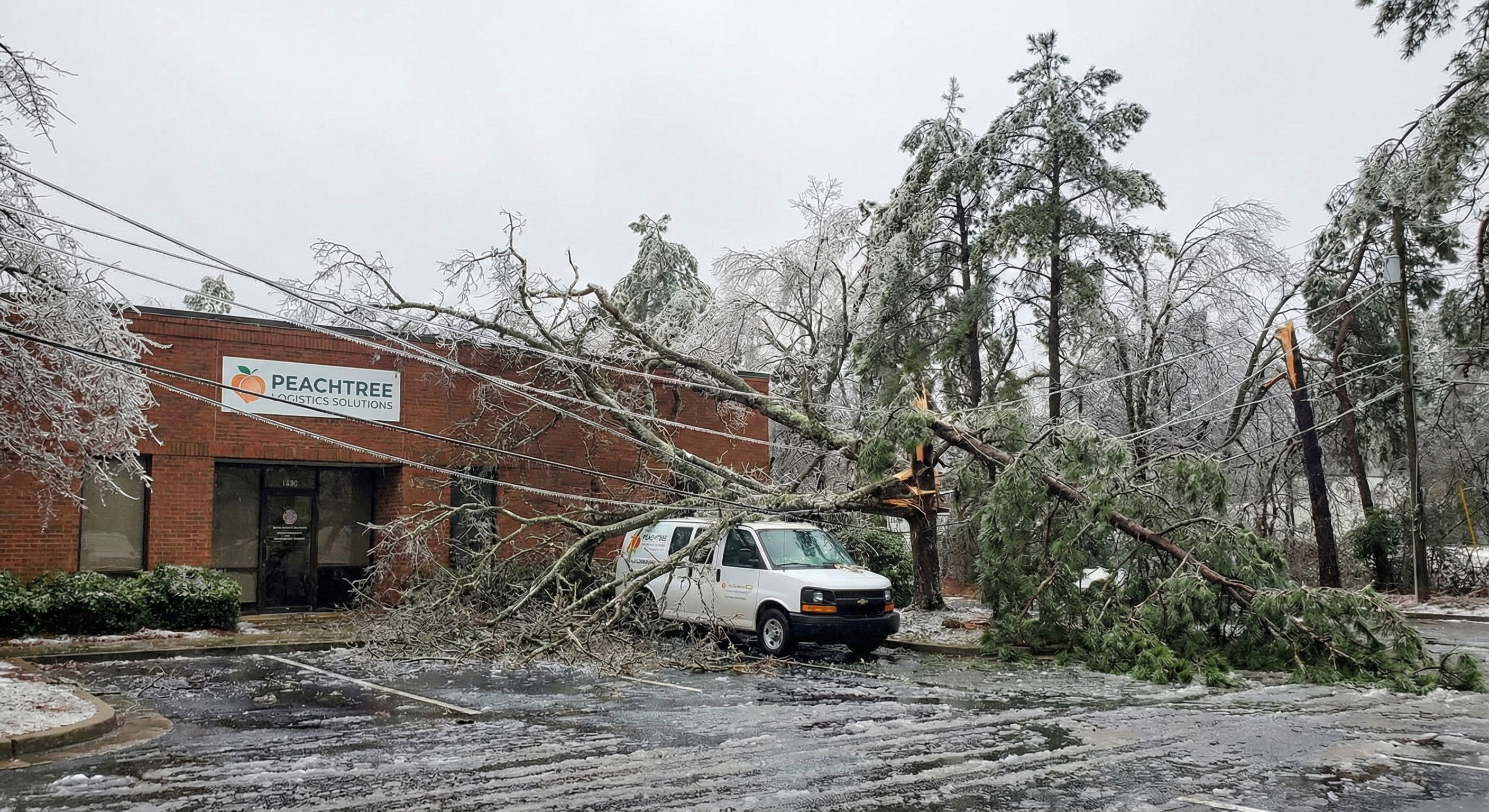
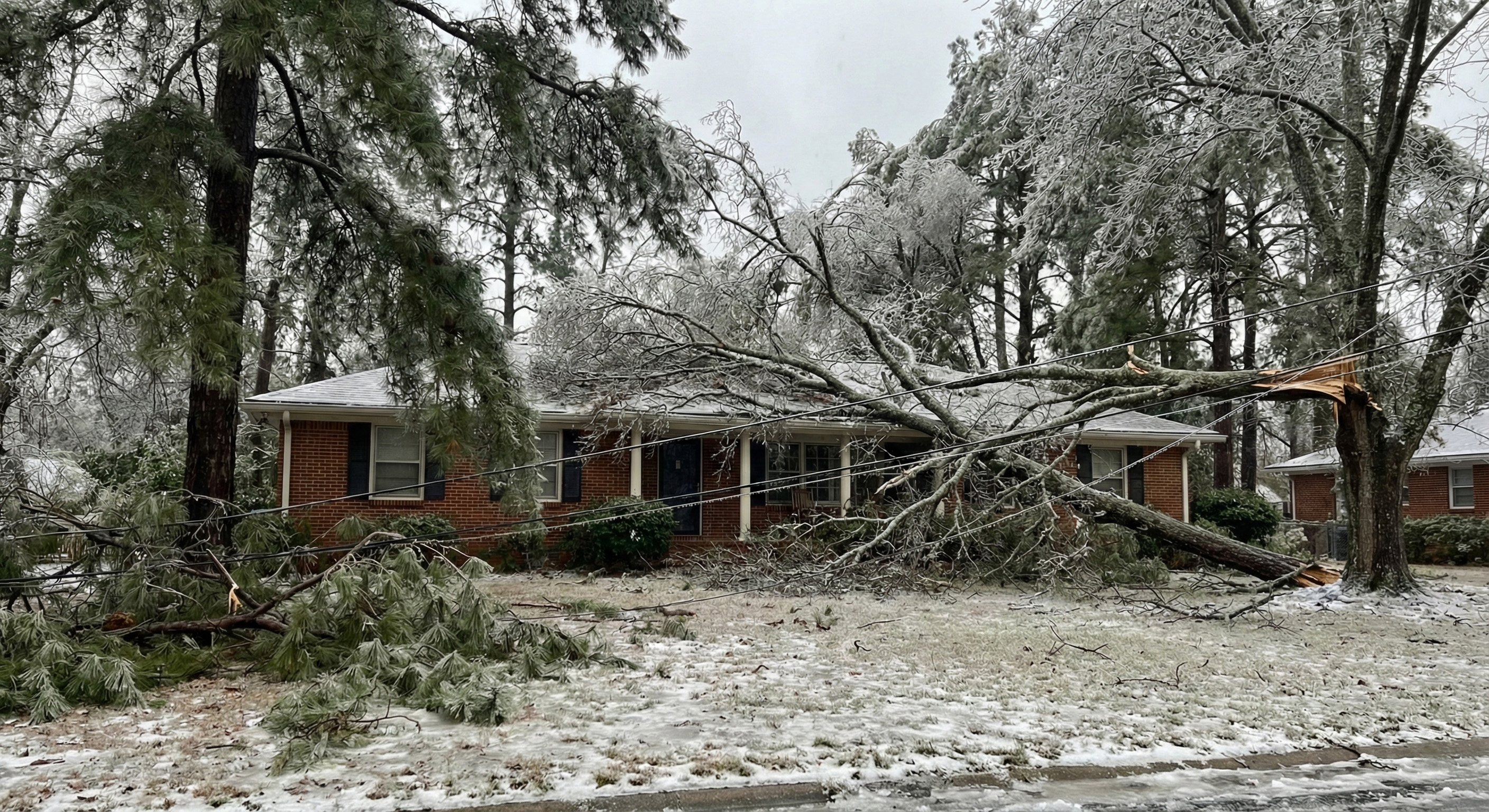
For homeowners across Georgia, few things enhance a property like a towering, mature tree. These natural giants provide shade, beauty, and ecological benefits. They truly are cornerstones of our residential landscapes. However, those same majestic trees are living organisms. They can harbor hidden dangers that are invisible to the untrained eye.
A severe storm, a summer drought, or even years of slow internal decay can turn a cherished landscape feature into a serious hazard. This potential threat is why a professional service like a Tree Risk Assessment (TRA) is not a luxury, but a necessity. The goal is simple: to identify potential threats before they become costly, catastrophic emergencies. By being proactive, you can ensure the longevity of your trees and, more importantly, the safety of your family and your biggest investment—your home. This comprehensive guide will explain exactly what a TRA entails and why it is the ultimate way to protect your property and gain genuine peace of mind.
What Exactly Is a Professional Tree Risk Assessment (TRA)?
A professional Tree Risk Assessment is a formal, systematic evaluation of a tree’s health and structural integrity. It is conducted by a qualified professional, typically an ISA-Certified Arborist.
This assessment is far more detailed than a simple visual glance from the ground.
A TRA utilizes a standardized, scientific approach to determine the overall level of risk a specific tree or group of trees poses. It is an essential service for any property owner or manager concerned about safety and liability. The arborist’s professional evaluation focuses on two critical factors:
- The Likelihood of Failure: How likely is it that a part of the tree (a large limb, the trunk, or the entire tree) will fail within a specified time frame?
- The Consequences of Failure: If the tree were to fail, what would it hit? (e.g., a seldom-used shed, or the main bedroom of your home).
The assessment combines these two elements to produce a quantifiable risk rating. This standardized process ensures that the evaluation is objective and based on expert observation and industry best practices.
It moves the decision-making process from emotional concern to factual, data-driven necessity. By relying on state-of-the-art equipment and specialized training, certified arborists can detect weaknesses that are completely undetectable by the average homeowner. Ultimately, the TRA provides clear, actionable recommendations to mitigate any identified hazards, ensuring the long-term health and safety of your property.
What Factors Do Certified Arborists Evaluate During an Inspection?
A thorough Tree Risk Assessment involves a meticulous, multi-point inspection process that goes deep into the tree’s biology and its environment. Certified arborists don't just look at the canopy; they examine the entire system, from the roots underground to the smallest branches above.
The assessment typically covers three main categories: The Tree, The Site, and The Target.
I. Structural Assessment (The Tree)
The arborist evaluates the physical condition and structural integrity of the tree itself, looking for defects that compromise stability.
- Root Crown and Root Zone Analysis: The health of the roots is crucial for anchorage and stability.
- They look for signs of girdling roots, which restrict nutrient flow.
- They check for damage caused by past construction or trenching.
- They assess the presence of fungi or mushrooms at the base, which often indicates root decay or root rot.
- Trunk and Main Stem Integrity: The central support structure is inspected for damage.
- Arborists look for cracks, splits, or cavities.
- They search for signs of advanced decay or weak points where the trunk might fail.
- Sometimes, specialized tools are used to measure internal wood density.
- Canopy and Branch Structure: The upper portions are examined for defects.
- They identify dead or hanging limbs (often called "widowmakers").
- They check for weak branch unions (V-shaped attachments are weaker than U-shaped ones).
- The arborist assesses overall canopy density and signs of dieback or disease.
- Species, Age, and Condition: Tree characteristics are critical risk factors.
- Certain species (like fast-growing, soft-wood varieties) are naturally more brittle and prone to failure.
- An older, mature tree has accumulated more defects and is often closer to a target.
- The overall health, including foliage color and pest infestations, is noted.
II. Site Conditions and Environmental Factors
The immediate environment surrounding the tree is evaluated, as external factors can create or accelerate defects.
- Soil Health and Drainage: Poor soil quality or excessive moisture can lead to shallow roots and instability.
- Soil compaction is a common urban problem that starves roots of oxygen and water.
- Poor drainage can create a consistently saturated environment, promoting root decay.
- Exposure to Wind and Weather: Trees in open, exposed areas are naturally at higher risk.
- The arborist assesses the tree’s wind-load potential.
- They check for damage history from previous severe weather events.
III. Advanced Diagnostic Tools
Depending on the assessment level (Basic, Intermediate, or Advanced), the arborist may use specialized equipment to see inside the tree.
- Resistograph: This tool uses a small, high-speed needle to drill into the trunk.
- It measures the resistance the wood provides.
- This resistance level helps accurately map internal decay and cavities without causing significant damage.
- Sonic Tomography: This non-invasive method uses sound waves.
- Sensors placed around the trunk map internal wood condition.
- The output provides a visual image showing healthy wood versus decayed areas.
- Aerial Inspection and Drones: For very large trees, an arborist may climb the tree or use a drone.
- This allows for a close, up-to-date inspection of high-level branch unions and the inner canopy.
This comprehensive, science-based approach is how Georgia Pro Tree Services ensures that no hidden hazard goes overlooked.
Why Is Proactive Tree Assessment Crucial for Protecting Your Home and Family?
A Tree Risk Assessment is fundamentally a proactive measure designed to minimize potential tragedy and financial loss. Waiting until a limb falls is a reactive and vastly more expensive approach. For homeowners, the necessity of a TRA boils down to three core areas: safety, property protection, and liability management.
1. Ensuring Personal Safety and Peace of Mind
The most crucial reason for a TRA is protecting the lives of the people who live in or visit your home.
- A structural failure can occur suddenly, especially during unexpected winds or storms.
- A certified arborist can identify defects like weak attachment points that are seconds away from failure.
- Addressing these issues prevents serious personal injury or, tragically, loss of life.
- Knowing that an expert has certified the health and stability of your largest landscape features provides unparalleled peace of mind.
2. Preventing Catastrophic Property Damage and High Costs
An emergency tree removal after a failure is one of the most expensive and stressful situations a homeowner can face.
- Fallen trees frequently cause major damage to roofs, vehicles, fences, and outbuildings.
- The cost of repairing structural damage, coupled with emergency removal fees, can escalate quickly into the tens of thousands of dollars.
- Proactive removal or mitigation is always significantly cheaper than reactive emergency services.
- A TRA allows you to schedule necessary work during non-emergency periods, securing the best rates and timelines.
3. Managing Legal Liability and Insurance Compliance
As a property owner, you have a duty of care to maintain a reasonably safe environment.
- If a hazardous tree falls and injures a neighbor or guest, or damages an adjacent property, you could be held liable.
- This is often determined by the concept of negligence. If a defect was visible or known—or should have been known through regular inspections—and you took no action, your liability increases significantly.
- A documented TRA from a professional service demonstrates that you have taken responsible steps to identify and mitigate hazards.
- This documentation is invaluable for insurance claims and legal defense, proving due diligence.
- Furthermore, some homeowner insurance policies may require periodic risk assessments to ensure coverage, especially if you have very mature trees close to the structure.
How Does an Arborist Determine the Level of Tree Risk?
The assessment process is formalized by industry standards, particularly those established by the International Society of Arboriculture (ISA). The arborist uses a risk matrix that combines three distinct components to determine the overall risk rating. This systematic approach transforms subjective observation into objective data.
The Three Key Components of the Risk Matrix
- Likelihood of Failure: This determines if the tree or part is likely to fail.
- Rating Categories: Improbable, Possible, Probable, Imminent.
- This assessment is based purely on the tree's health and structural condition (e.g., a massive crack in the trunk suggests Imminent failure).
- Likelihood of Impact: This determines if the falling part will strike the target.
- This is a geographic assessment based on the tree’s height and the target's distance.
- Rating Categories: Very Low, Low, Medium, High.
- A branch overhanging a bedroom roof has a high likelihood of impact; a branch falling onto an empty field has a very low likelihood.
- Consequences of Failure: This determines the potential severity of the outcome.
- Rating Categories: Negligible, Minor, Significant, Severe.
- A failure that results in major structural damage, loss of utility services, or death would be classified as Severe.
The Final Risk Rating
By combining the Likelihood of Failure with the Likelihood of Impact to create an overall Likelihood of Risk score, and then cross-referencing that with the Consequences of Failure, the arborist assigns the final risk rating.
The categories for this final rating dictate the urgency of the required action:
- Low Risk: Requires routine monitoring, minor maintenance, or no action.
- Moderate Risk: Requires mitigation within a specified timeframe (e.g., 6–12 months).
- High Risk: Requires prompt attention and mitigation, often within weeks, to significantly reduce the hazard.
- Extreme Risk (Imminent Failure): Requires immediate action, often including exclusion of the area and emergency removal of the tree or limb.
This structured process ensures that the homeowner can easily understand which trees pose the greatest immediate danger and prioritize their budget and maintenance schedule effectively.
What Are the Alternatives to Tree Removal for High-Risk Trees?
A common misconception is that a high-risk assessment automatically means the tree must be removed. This is false. Certified Arborists, like those at Georgia Pro Tree Services, are tree preservation specialists. They aim to save mature trees whenever possible, using removal as a last resort.
The recommendations provided in a TRA report often include several viable alternatives to removal, known as mitigation strategies. These actions address the structural issues and extend the life of the tree while reducing risk.
1. Structural Pruning and Weight Reduction
This involves the strategic removal of specific parts of the canopy.
- Targeted Pruning: Removing dead, diseased, or weak branches immediately reduces the potential for limb failure.
- Crown Thinning: Selectively removing inner branches allows better air flow, reducing the tree's wind resistance. This lowers the leverage force on the trunk and roots during high winds, greatly minimizing the likelihood of failure.
- Crown Reduction: Used to shorten limbs that extend too far or over a target, reducing the weight at the end of the leverage point.
2. Cabling and Bracing Support Systems
These are similar to orthopedic supports used for a broken human bone.
- Cabling: Involves installing high-strength steel or synthetic ropes high in the canopy between weak limbs or co-dominant stems.
- This limits the movement of the limbs relative to each other.
- It provides supplementary support, allowing the connected parts to share the load during storms.
- Bracing: Uses threaded steel rods drilled through unstable connections or weak points in the trunk or limbs.
- Bracing provides rigid support where cabling would be insufficient, often used for splits or cracks.
3. Soil and Root Management
Improving the tree’s overall health can enhance its stability and resilience.
- Soil Aeration: Using specialized tools to decompress the soil near the root zone.
- This improves oxygen and water infiltration, which are essential for strong, healthy root growth.
- Deep Root Fertilization: Injecting customized nutrient solutions directly into the root zone.
- This helps the tree fight off pests and diseases, increasing its vitality and structural strength.
- Mulching: Properly applying organic mulch around the root flare helps regulate soil temperature and moisture.
4. Lightning Protection Systems
In regions prone to severe thunderstorms, lightning strikes are a significant cause of tree failure.
- Installing a professionally designed lightning protection system diverts the electrical current harmlessly to the ground.
- This prevents internal damage, wood splitting, and the ensuing decay that often follows a strike.
Only when these mitigation methods are deemed insufficient to bring the risk to an acceptable level will a Certified Arborist recommend full tree removal.
How Often Should Homeowners Schedule a Risk Assessment in Georgia?
The trees in your Georgia landscape are constantly reacting to their environment, their health status is always subject to change. Therefore, a tree risk assessment is not a one-time event, but rather a crucial part of ongoing property management.
General Recommendation:
- It is generally recommended to conduct a comprehensive Tree Risk Assessment every 1 to 3 years.
- This frequency is sufficient for mature trees in normal urban or residential settings that show no obvious signs of immediate decline.
- Regular checks ensure that any developing issues, such as slow-growing fungi or minor cracks, are caught before they escalate.
When to Increase Urgency and Frequency:
Homeowners should always consider a risk assessment immediately following certain events or if they notice new signs of distress.
- After Severe Weather Events: Following any major storm, hurricane, ice storm, or period of extended drought, trees should be checked for damage. Even subtle root plate movement or hidden branch cracks can be accelerated by wind stress.
- Visible Signs of Decline: If you notice any of the following, schedule an assessment immediately:
- Fungal growth (mushrooms/conks) at the base of the trunk or on major limbs.
- Significant leaning that has occurred recently.
- Large sections of peeling bark or oozing sap.
- Excessive deadwood in the canopy.
- Before and After Construction: Any digging, grading, or paving near a tree's critical root zone can cause irreparable damage, making the tree unstable months or years later. An assessment should be mandatory before and after construction projects.
- High-Value/High-Risk Trees: Trees that are exceptionally large, exceptionally old (heritage trees), or those directly over a dwelling (high-risk targets) should often be inspected annually.
By adhering to a regular inspection schedule, Georgia homeowners maintain control over their landscape and protect their investments far more effectively than those who wait for an emergency.
Conclusion
Your trees are irreplaceable assets that define the beauty and value of your Georgia home. However, to truly benefit from these natural features, you must manage the inherent risks they carry. A professional Tree Risk Assessment is the most intelligent and economical investment you can make in your property's safety and longevity.
It is a science-based shield that protects your family from personal injury, your home from catastrophic damage, and your assets from legal liability. By relying on the expertise of ISA-certified arborists, you move from guessing about tree health to knowing its precise condition. You gain clear, actionable plans to save the trees that can be saved and safely remove those that cannot.
Don't wait for the next storm to reveal a hidden danger. Be proactive, secure your peace of mind, and ensure the health of your valuable landscape today.
Ready to ensure your property is safe?
Contact Georgia Pro Tree Services today to schedule your comprehensive Tree Risk Assessment!
Frequently Asked Questions (FAQ)
What is the International Society of Arboriculture (ISA) and why does it matter?
The International Society of Arboriculture (ISA) is a worldwide professional organization that promotes the practice of professional tree care through research, technology, and education. When an arborist is ISA-Certified, it means they have achieved a professional level of knowledge and competence through experience and rigorous testing. The ISA also offers the Tree Risk Assessment Qualification (TRAQ), which certifies that an arborist has specific, systematic training in evaluating tree risk using industry-standard protocols. Choosing an arborist with these credentials ensures your assessment is based on objective, science-backed standards, not guesswork.
Can a homeowner perform a risk assessment themselves?
While homeowners can and should perform basic observations—such as looking for dead branches or obvious leaning—a self-assessment is not a substitute for a professional TRA. A professional arborist possesses the training to recognize subtle signs of decay, identify critical structural defects, and utilize advanced tools (like the Resistograph) to inspect internal wood condition. They also have the knowledge to combine the likelihood of failure and the consequences of impact into a formal, defensible risk rating, which is crucial for liability and planning.
What is the difference between a basic and an advanced tree risk assessment?
The difference lies in the level of detail and the tools used:
- Basic (Level 1) Assessment: This is a visual inspection from the ground. The arborist looks for obvious defects, general health, and identifies immediate concerns. This is often suitable for a general overview or screening of many trees.
- Advanced (Level 3) Assessment: This follows a suspected problem found in a Basic or Intermediate inspection. It involves using specialized, invasive or non-invasive tools such as sonic tomography, Resistograph drilling, and sometimes aerial inspections or soil testing to determine the precise extent of internal decay or structural weaknesses. This level provides a detailed, scientific analysis for critical, high-risk trees.
Does a tree risk assessment include treatment recommendations?
Yes, a comprehensive tree risk assessment always includes detailed recommendations for treatment and management. The goal is not just to identify the risk, but to tell the homeowner how to mitigate it. Recommendations range from non-structural improvements (e.g., fertilization, pest control) to major structural actions (e.g., targeted pruning, cabling/bracing installation, or, if necessary, removal). The report outlines these actions, the recommended timeline for completion, and follow-up monitoring suggestions.
If a risk is identified, does my tree automatically need to be removed?
No. Tree removal is typically considered the final option for risk mitigation. Certified Arborists specialize in preservation. For moderate and some high-risk scenarios, mitigation techniques like strategic pruning (to reduce leverage and wind resistance), or the installation of support systems (cabling or bracing) can significantly reduce the likelihood of failure. Removal is only recommended when the tree is structurally compromised beyond repair, and the risk to people and property cannot be reduced to an acceptable level.

We're your local tree pros!
Georgia Pro Tree Services takes the highest quality of care when servicing your trees. Call us to find out how we can help you keep your yard in top shape.