The stately trees gracing your Georgia property are much more than landscape features. They are living assets that provide beauty, shade, and value. However, they are also dynamic structures constantly responding to environmental forces. The reality is that tree risk is never static. It shifts, often dramatically, with the progression of the four distinct seasons.
A healthy tree in July can quickly become a significant liability in January. Seasonal changes act as powerful environmental stressors that test the structural integrity of your arboreal assets. This means that if you only assess your trees after a major storm, you've waited too long. Proactive risk management requires understanding how each season impacts failure potential and why a professional assessment is a necessary, year-round component of property ownership.
The primary goal of a comprehensive Tree Risk Assessment is not to remove trees, but to ensure safety and stability. By systematically evaluating the structural condition of a tree against the potential damage its failure could cause, we can manage risk proactively. Whether it is the intense heat of summer or the unexpected freezing of winter, seasonal evaluation is the key to protecting your home, family, and investments.
Why Is Tree Risk a Dynamic, Year-Round Concern?
Tree risk is defined as the combination of three key factors: the likelihood of a tree or tree part failing, the likelihood of a target being struck, and the consequence of that failure. This measurement is intrinsically linked to the time of year.
The term dynamic risk recognizes that a tree's likelihood of failure changes daily. While a tree may appear robust during calm weather, its compromised root system becomes highly vulnerable during a sustained rain event. A defect that is hidden during the spring is often glaringly obvious in the fall.
The very nature of risk necessitates periodic checks.
- Likelihood of Failure: This component is directly impacted by seasonal stressors like drought-weakened roots or high-wind storm events.
- Likelihood of Impact (Target Occupancy): This also shifts seasonally. For instance, a pool area is a constant target in the summer but a rare target in the winter.
- Consequence of Failure: The result of a catastrophic event, such as a major limb striking a house, remains constant. However, by reducing the likelihood of failure through assessment, you reduce the overall risk level.
Risk assessments are, by necessity, a snapshot in time. Because trees continually grow and decay, and weather conditions constantly change, that snapshot has an expiration date. For property owners, ignoring the dynamic nature of tree risk is accepting unnecessary liability. A tree that was safe six months ago may have developed decay or structural issues that only the stress of a new season will reveal.
How Do Spring's Awakenings Affect Tree Stability and Health?
Spring is often seen as a period of growth and rejuvenation, but it is actually a crucial period for uncovering hidden structural weaknesses. It is the perfect time for the first major inspection of the calendar year.
As trees break dormancy, they direct massive amounts of energy into producing new leaves and branches. This new foliage dramatically increases the tree’s wind sail effect.
Spring's role in risk assessment is two-fold: revelation and susceptibility.
- Winter Damage is Revealed: The weight of winter snow and ice, or the impact of freeze-thaw cycles, often leaves hairline cracks or broken branch hangers that are only evident once the canopy begins to fill in. These compromised limbs are spring's first hidden hazards.
- Susceptibility to Pests and Diseases Increases: As temperatures rise, so does the activity of insects and fungal pathogens. Stressors like the previous year’s drought leave trees vulnerable, making spring the ideal time for proactive plant health care.
Georgia Pro Tree Services focuses on essential springtime risk factors:
- Hazardous Deadwood Removal: Any limbs that broke during the winter must be pruned before they become projectiles in a spring thunderstorm.
- Inspecting New Growth: Arborists look for abnormal growth patterns, delayed budding, or early leaf discoloration, which are signs of root damage or nutrient deficiencies.
- Soil and Root Collar Check: Spring moisture levels help identify drainage issues or soil heaving around the base of the trunk, which can indicate root stability problems.
Ignoring these spring cues is a common mistake that leaves property owners exposed to the heavier storm season of summer.
What Summer Hazards Require Immediate Arborist Attention?
Summer in Georgia is synonymous with intense heat, high humidity, and the sudden violence of afternoon thunderstorms. This season subjects trees to the most significant physical stresses, both above and below the ground.
The dual threats of drought and severe weather conspire to maximize the likelihood of tree failure.
1. High-Wind Storm Events:
Summer storms, characterized by straight-line winds, put enormous torque on a tree's structural anchors. This stress can cause:
- Crown Tearing: Major branches can rip away from the trunk at weak attachment points.
- Trunk Shear: Excessive twisting can cause the trunk to split vertically.
- Root Plate Failure: The most dangerous outcome is soil saturation combined with wind load, leading to the entire tree uprooting and falling onto a target.
2. Hydrological Stress (Drought vs. Saturation):
- Drought: Prolonged lack of water leads to desiccation and physiological stress. A dehydrated tree conserves energy but becomes brittle and highly susceptible to insect damage, increasing the likelihood of failure.
- Saturation: Conversely, excessive summer rain, especially with poorly draining clay soils, can waterlog the soil. This lack of oxygen suffocates the roots and turns the soil into a heavy, unstable medium, compromising the tree's anchoring ability.
A summer assessment is often reactive, triggered by a close call or a minor storm. However, proactive inspections during the mid-summer drought period can identify signs of irreversible stress, allowing for mitigation before the next major weather event. This is when deep-root watering and targeted fertilization can prevent chronic decline.
Why Is Fall The Critical Season for Structural Risk Mitigation?
As the temperatures cool, deciduous trees begin to shed their leaves, entering their period of dormancy. This transition makes the autumn season uniquely valuable for structural assessment and long-term risk mitigation.
With the canopy largely cleared of leaves, certified arborists gain the clearest view of a tree's foundational structure, which is often obscured during the dense growth of spring and summer.
The Arborist's Advantage in Autumn
Fall provides an optimal window for identifying and addressing issues before winter compounds the risk. Key elements of the fall assessment include:
- Structural Clarity: An arborist can easily see crossed and rubbing branches, weak attachments (included bark), and the overall weight distribution of the crown. Corrective pruning in fall is essential.
- Decay Visibility: Fungal fruiting bodies (mushrooms or brackets) that indicate internal decay often become more visible on the trunk or root flare in the damp, cool conditions of autumn.
- Preparation for Winter Load: Structural pruning performed in the fall helps to reduce the surface area and weight of the crown. This directly prepares the tree to better withstand the incredible weight of ice and snow accumulation during the winter months.
- Root Fortification: Fall is the ideal time to apply deep-root fertilization to encourage root growth and health during dormancy, fortifying the tree's anchors for the stresses of the coming year.
Proper fall assessment and mitigation reduce the overall failure potential of the tree. This crucial work ensures that minor structural flaws do not become catastrophic failures when the tree faces the immense strain of winter weather.
What Hidden Dangers Lurk for Trees During Winter Dormancy?
While many assume tree care pauses in winter, the dormant season is perhaps the most physically brutal for structurally compromised trees. Winter brings unique environmental hazards that severely test the limits of wood strength and stability.
The primary risks stem from the sheer weight and rapid temperature fluctuations of the season.
Winter Risk Factors
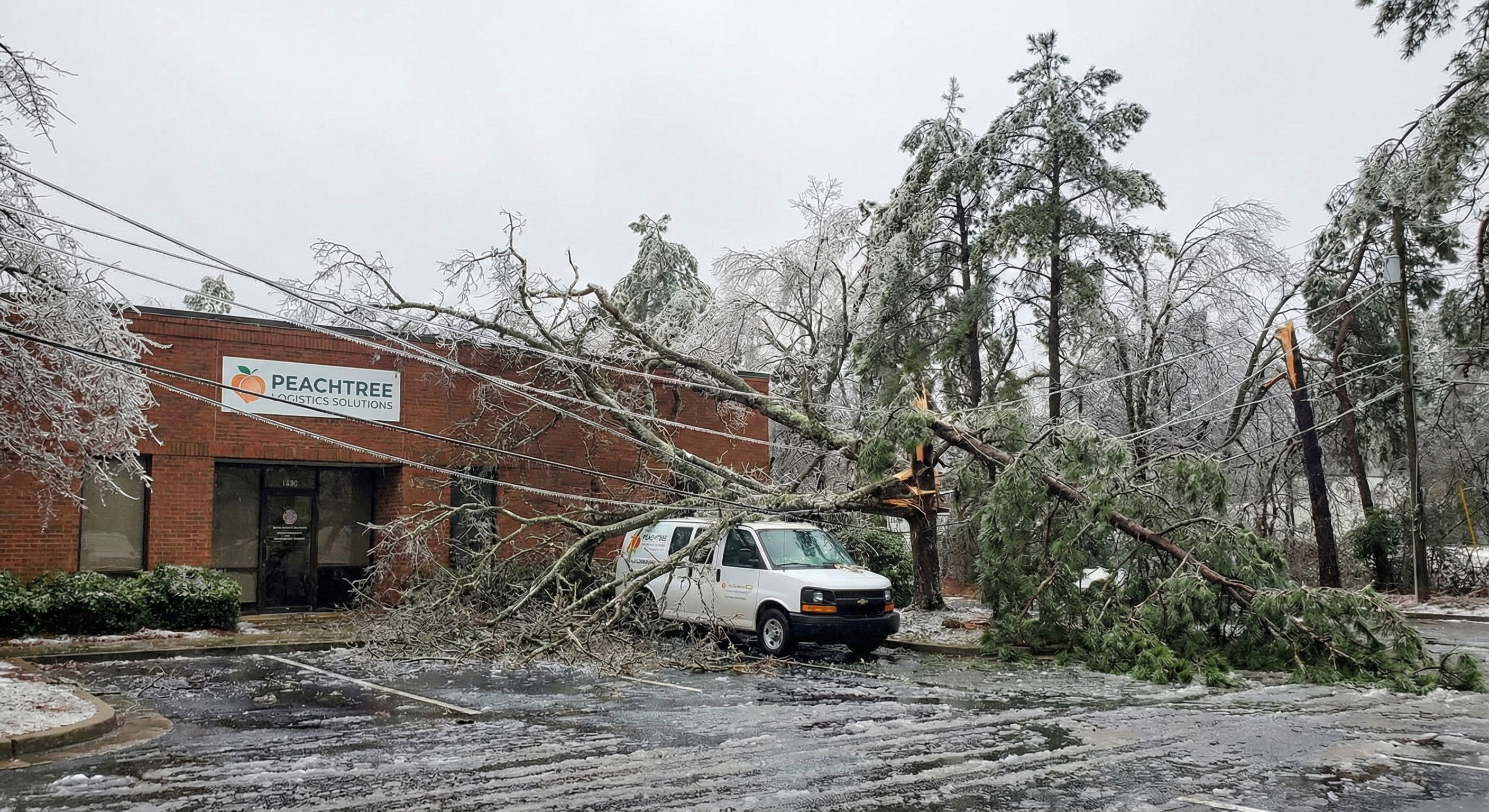
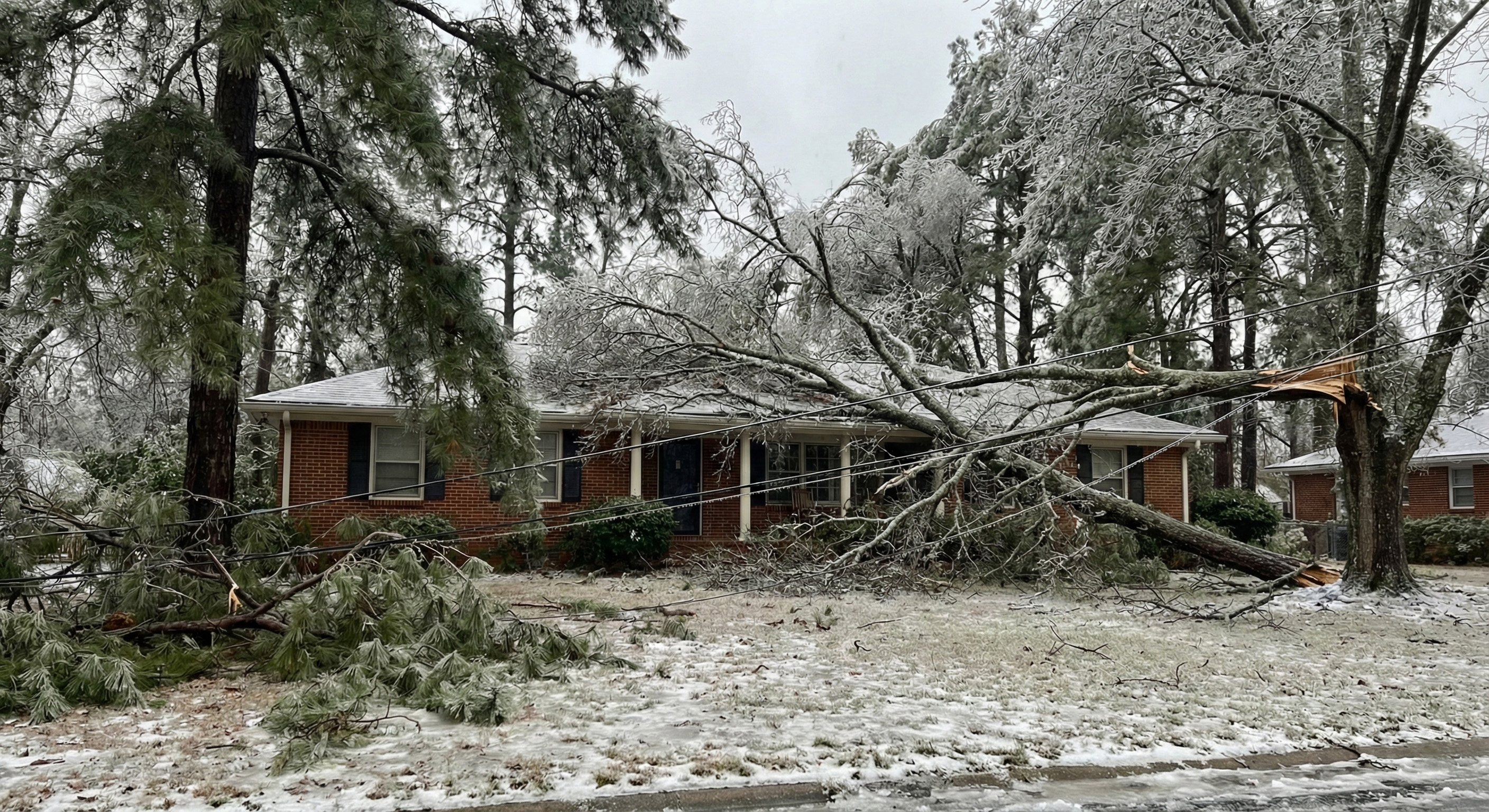
- Ice and Snow Load: Heavy accumulation of ice or wet snow can exert tons of pressure on branches. Structurally unsound limbs, especially those with pre-existing decay or cracks, are prone to catastrophic breakage. This kind of failure often results in large limbs falling onto houses or cars.
- Frost Cracks and Splits: Rapid shifts between freezing night temperatures and warmer daytime sun cause the wood tissue to expand and contract quickly. This stress can lead to frost cracks—deep, vertical splits in the bark and wood—which create entry points for pests and decay in the spring.
- Soil Desiccation: In periods of dry, freezing weather, the ground freezes and prevents water uptake. This can lead to winter drought, especially in evergreens, weakening the tree and making it vulnerable to wind damage.
- Optimal Assessment Window: The complete lack of foliage in winter provides the clearest possible view of a tree’s overall scaffold. This is the best time for arborists to inspect the crown for included bark, deadwood, and structural defects that require cabling or bracing.
A winter risk assessment is a low-consequence, high-reward opportunity. Addressing these structural issues now means your tree is prepared when the high winds of spring and summer return.
What Does A Comprehensive Tree Risk Assessment Entail?
A professional Tree Risk Assessment (T.R.A.) is not simply a walk-around; it is a systematic, documented, and science-based process. Georgia Pro Tree Services uses industry best practices, often following the standards set by the International Society of Arboriculture (ISA).
Our assessment process moves through distinct levels of scrutiny, ensuring all variables are considered.
The Professional T.R.A. Process
- Level 1: Limited Visual Assessment (Walk-Through): This is a rapid inspection of a population of trees from a specified perspective, primarily used to identify trees that require more detailed analysis. It quickly screens the landscape for obvious defects.
- Level 2: Basic Tree Risk Assessment: This is the standard, comprehensive inspection that applies to the vast majority of client needs. It involves an in-depth, 360-degree visual inspection of the tree's crown, trunk, root flare, and surrounding site conditions.
- Failure Analysis: The arborist inspects for specific defects like decay pockets, cracks, excessive lean, or deadwood.
- Target Evaluation: The arborist calculates the tree's height and striking distance to determine which targets (house, driveway, patio) are within the potential fall zone.
- Risk Rating: The assessor combines the Likelihood of Failure, Likelihood of Impact, and Consequence of Failure to assign a numerical risk rating (e.g., Low, Moderate, High, or Extreme).
- Level 3: Advanced Tree Risk Assessment (Diagnostic): Reserved for high-value or high-risk trees where basic observation is insufficient. This may involve:
- Resistograph Testing: Drilling a micro-auger into the trunk to measure internal wood density and quantify decay.
- Air Spading: Using compressed air to gently remove soil and inspect the critical root zone for damage or defects without harming the roots.
- Climbing Inspections: Physically entering the crown to assess high-up defects and attachment points.
Every assessment concludes with a detailed report that includes photographic evidence, documentation of findings, and prioritized mitigation recommendations.
Conclusion: Take Control of Your Tree Risk Today
The health and structural integrity of your trees are constantly challenged by the changing seasons. From the structural strains of winter ice to the high winds of summer thunderstorms, every three months brings a new set of risks to your property.
Understanding this dynamic nature is the first step toward responsible property management. Waiting until you see a broken limb or a new fungal growth is a reactive approach that can lead to costly damages, insurance claims, or, worst of all, serious injury. A periodic, seasonally aware Tree Risk Assessment is the only proactive way to ensure your landscape remains safe and vibrant year after year.
Don't leave the safety of your property to chance. Protect your home and loved ones by partnering with certified professionals who understand arboriculture and the specific regional stresses of Georgia.
Take the proactive step today.
Contact Georgia Pro Tree Services for a comprehensive Tree Risk Assessment now.
Frequently Asked Questions (FAQ)
When is the absolute best time of year to get a professional Tree Risk Assessment?
While a tree risk assessment is valuable year-round, the late fall or early winter is often considered ideal for structural assessment. During this dormant period, deciduous trees have shed their leaves, providing the arborist with the clearest possible view of the entire tree scaffold, including branch structure, attachment points, and trunk anomalies. Fall is also critical because it allows time for mitigation work (like heavy pruning or removals) to be completed before the severe weather hazards of winter and spring growth begin.
How often should a Tree Risk Assessment be performed on my property?
For residential or low-traffic commercial properties with healthy trees, a comprehensive assessment should be performed at least every 1 to 3 years. However, the frequency should increase significantly for:
- High-Risk Trees: Any tree showing visible signs of defect (decay, excessive lean, cracks).
- High-Target Areas: Trees directly overlooking a primary structure, driveways, or frequently used walking paths.
- After Major Storms: Any time your property experiences high winds, lightning strikes, or severe ice/snow accumulation, an emergency assessment is necessary to identify recently created hazards like broken hangers or root heave.
If my tree is rated as "High Risk," does that mean it must be removed?
No, a "High Risk" rating means the combination of the Likelihood of Failure and the Consequence of Impact is unacceptable. Removal is only one possible mitigation strategy. Often, the risk can be reduced to an acceptable level through less severe measures. Common mitigation recommendations include:
- Target Removal: Moving a target (e.g., a picnic table or parking space) out of the tree’s fall zone.
- Structural Pruning: Removing defective or excessive weight-bearing limbs (the failure point).
Cabling and Bracing: Installing steel cables or rigid rods to provide supplemental support for structurally weak branches or trunks.Only when mitigation measures are deemed ineffective, temporary, or too costly compared to removal will a certified arborist recommend the tree's complete elimination.

We're your local tree pros!
Georgia Pro Tree Services takes the highest quality of care when servicing your trees. Call us to find out how we can help you keep your yard in top shape.